Why Most Weekly Planners Fail (and What Actually Works Instead)
January 13, 2026 · The Strategist
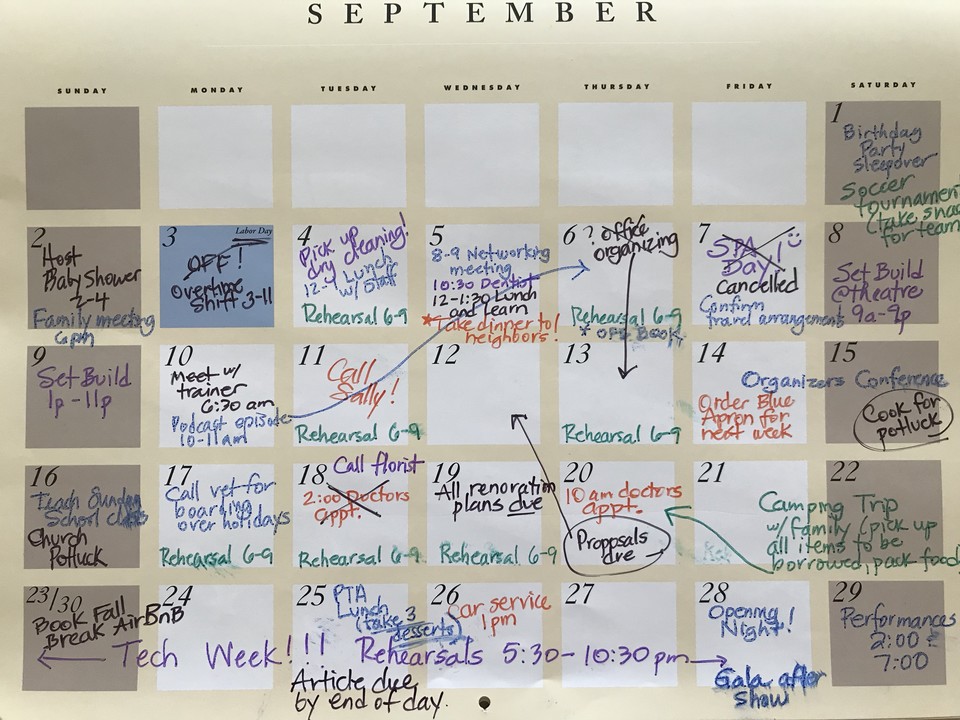
Every January, millions of people buy a new planner with the same hope: this will finally be the year I feel organized, focused, and in control. By February, most are abandoned. It's not discipline — it's the assumption the planner is built on.
Every January, millions of people buy a new planner with the same hope: this will finally be the year I feel organized, focused, and in control.
And by February, most of those planners are abandoned.
It's not because people lack discipline. It's because most planners are built on a flawed assumption.
The Real Problem With Traditional Planners
Most planners are designed around time first:
- Fill the calendar
- Stack the to-do list
- Stay busy all week
The result? You finish the week exhausted… yet unclear on what actually moved forward.
Busyness gets rewarded. Progress does not. When everything is treated as equal, nothing truly matters.
Why Clarity Must Come Before Scheduling
Real productivity starts before the calendar.
The most effective planners reverse the order:
- Decide what matters
- Organize actions around those priorities
- Then schedule time intentionally
When priorities come first, your calendar stops running your life, and starts supporting it.
The Strategist's Weekly Planner Approach
The Strategist's Weekly Planner was designed around a simple principle:
Separate priority-driven work from time-bound commitments.
Each weekly spread is intentionally divided into an easy-to-view 2-page system:
- A Priorities & Actions Matrix to clarify what deserves your energy
- A 7-Day Organizer & Notes page to plan the week realistically
This structure gives you flexibility without chaos, and accountability without rigidity.
Why This System Actually Sticks
This isn't a planner that tells you how to live your week. It helps you decide what matters most, then adapt as life happens.
It works whether your week is:
- Meeting-heavy or project-focused
- Stable or constantly changing
- Personal, professional, or both
That's why people don't abandon it in February. They evolve with it.
If your calendar is full but your priorities feel fuzzy, the problem isn't you. It's the system you're using.